You May Not Use Reference Operators
You May Not Use Reference Operators. Now you can choose filtered results bcd, bce. An assignment operator is different.
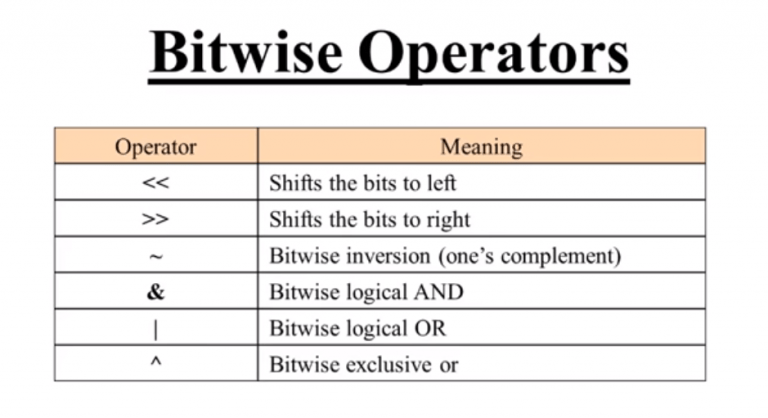
An assignment operator is different. Reference operators, described in the following list, work with cell references. If the condition is true, downstream tasks proceed as normal.
However, As I Said, It Works Now.
// your costs and results may vary. Use a colon to indicate a range. In the define name dialog box, click add, and then click close.
Reference Operators, Described In The Following List, Work With Cell References.
The three basic boolean operators are: Cannot use 'in' operator to search for 'x' in 'y' rangeerror: Invalid assignment to const x rangeerror:
When You Refer To A Range Of Cells, Use A Colon (:) To Separate The Reference To The First Cell In The Range And The Reference To The Last Cell In The Range.
References don’t need a dereferencing operator to access the value. // performance varies by use, configuration and other factors. This operator returns the address of the variable associated with the operator.
‘&’ Operator Is Needed Only At The Time Of Declaration.
Select the cells containing the list. If you ignore the value, you might as well not use the operator. Has at least 2 spaces before and after the commas.
If The Condition Is True, Downstream Tasks Proceed As Normal.
(u2:u7) type bc on the cell e1. You can use operators such as * or / in the expression too. It does produce a value, but even if you ignore the value, the assignment still makes itself felt through the alteration of the variable.

Post a Comment for "You May Not Use Reference Operators"